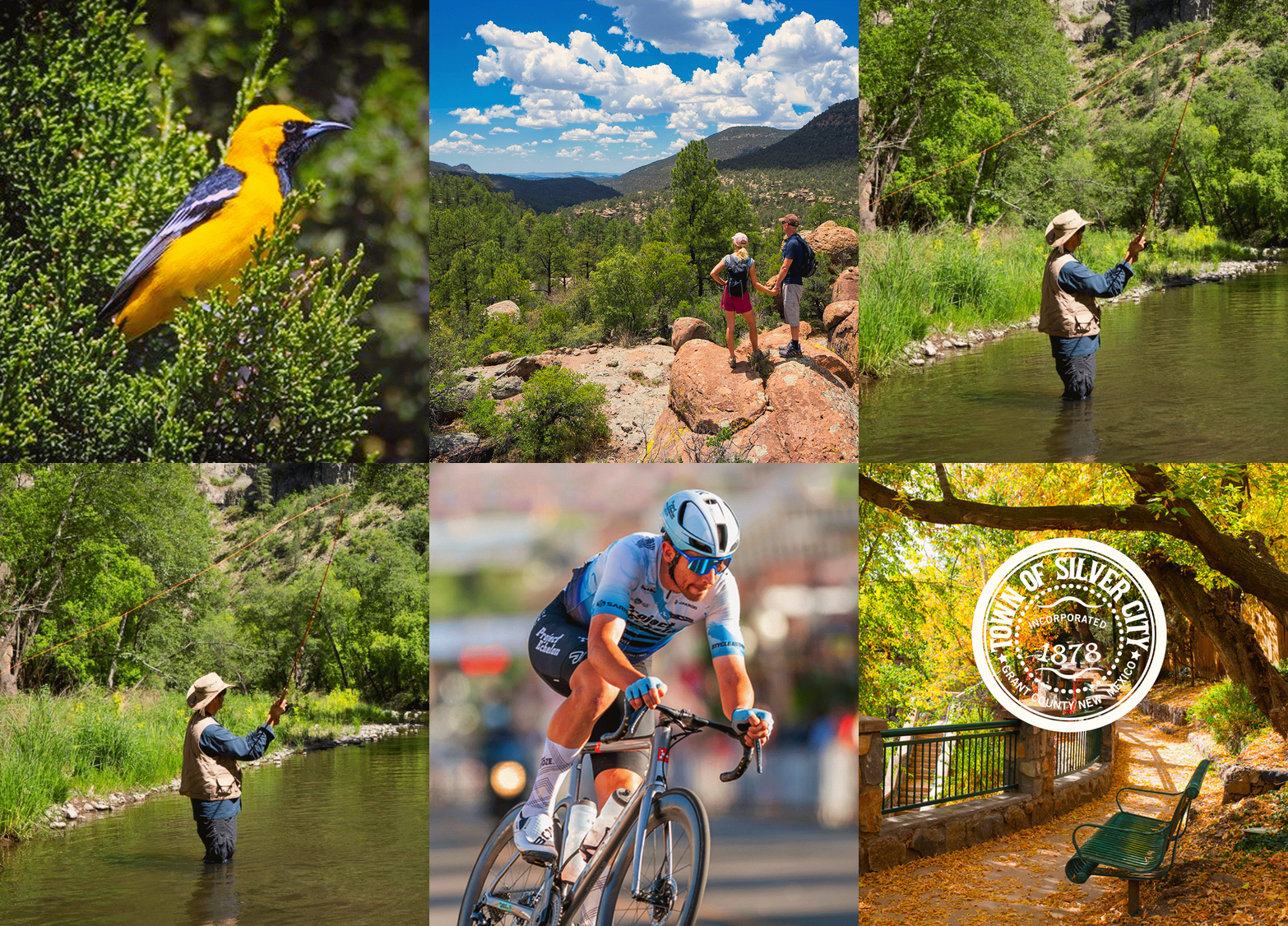
Each spring, Silver City becomes the center of one of the most demanding cycling races in North America. The Tour of the Gila brings riders from across the United States and from around the world to compete on the roads of Grant County in southwest New Mexico, where mountains, high desert, and winding canyons create a course known for both its beauty and its difficulty.
First held in 1987, the Tour of the Gila has grown into a major stage race on the American cycling calendar. Professional and amateur cyclists arrive prepared to face high elevation, steep climbs, and long distances that test endurance and strategy over the course of five days.
The race begins with the Tyrone Individual Time Trial. In this opening stage riders leave the starting line one at a time and race against the clock across rolling terrain near the village of Tyrone, south of Silver City. The course demands careful pacing and concentration as competitors attempt to set the fastest time.
From there the race moves into the mountains for the Mogollon Road Race, one of the most challenging stages of the week. The road climbs toward the historic mining town of Mogollon, where steep grades and thin mountain air often separate the strongest riders from the rest of the field. Riders pass through rugged country where desert hills give way to pine forests and sweeping views of the Gila region.
The following stage, known as the Inner Loop Road Race, winds through the hills and valleys outside Silver City. Riders face long miles and steady climbing as the accumulated effort of the race begins to take its toll.
On Saturday the atmosphere shifts as the competition moves into downtown Silver City for the criterium. Riders circle a short course through the historic streets while spectators line the sidewalks. The pace is fast and the corners are tight, creating an exciting event for both racers and the crowd.
The race concludes with the stage known as the Gila Monster Road Race. This final challenge includes a demanding climb toward Pinos Altos and often determines the overall winner of the event.
For Silver City and the surrounding communities, the Tour of the Gila is more than a sporting event. Volunteers, local organizations, and residents work together each year to support the race and welcome visitors. Events like this reflect the strong sense of community that defines Silver City and much of southwest New Mexico.
As the next Tour of the Gila approaches, cyclists will once again prepare to face the same roads that have challenged competitors for nearly four decades. The mountains of southwest New Mexico will offer the same test they always have, and for those who take part, the experience remains unforgettable.
For more information about the race, including routes, schedules, and event updates, visit the official Tour of the Gila website.