As 2020 comes to a close, the Southwest Word Fiesta committee highlights a few of the finest books we read this year.
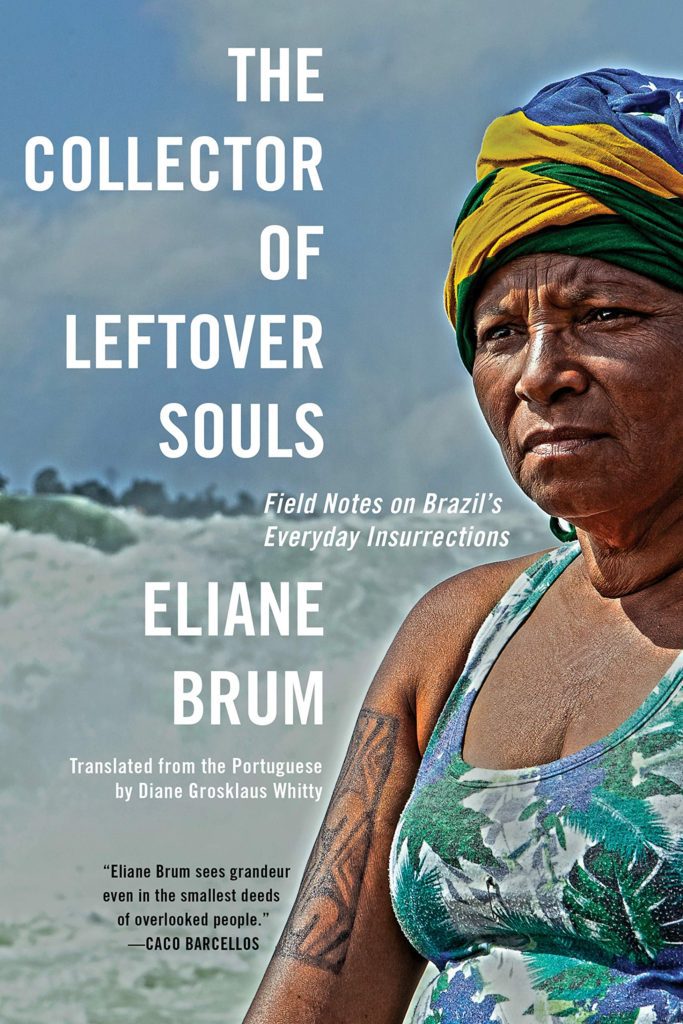
The Collector of Leftover Souls: Field Notes on Brazil’s Everyday Insurrections by Eliane Brum is a book of essays based on interviews with Brazil’s marginalized people. Among her interviewees are an 85-year-old hoarder, a street performer who eats glass, and a dying factory worker – poisoned at work for decades – who tells her, “I am made of asbestos.” Brilliant and harrowing.
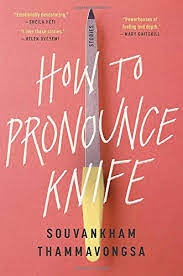
How to Pronounce Knife is the debut story collection by poet Souvankham Thammavongsa. Its theme is the immigrant experience in the U.S. from the perspective of Laotian children. These tales of non-stop hustle and linguistic confusion are a delight.
JJ Amaworo Wilson, WNMU writer-in-residence, co-chair of SWF
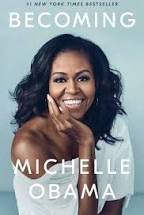
Told in her candid, intelligent, gracious voice, Becoming, Michelle Obama’s memoir, looks back on her family’s remarkable rise from slavery only five generations earlier to her role as First Lady of the US. My favorite read of 2020, I loved this behind-the-scenes look at Michelle’s life and the Obama presidency so much, I didn’t want it to end.
My favorite of all of Tana French’s elegant literary mysteries, Faithful Place looks back on when French’s enigmatic protagonist, undercover Dublin detective Frank Mackey, had been left by his first love, Rosie Daly, when they planned to run away together from their dysfunctional families. The crime surfaces with the discovery of Daly’s long-dead body, which ties into the theme, that of warring definitions of fidelity, loyalties that some would kill for.
Kris Neri, author of Hopscotch Life
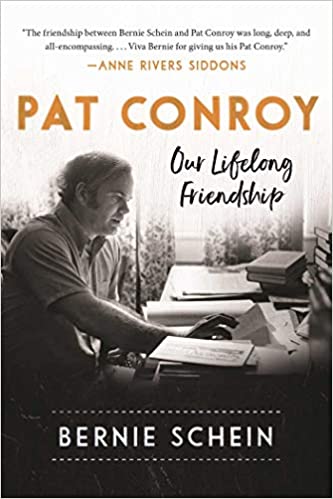
Pat Conroy, Our Lifelong Friendship by Bernie Schein is a memoir of a friendship which began in high school and ended at Conroy’s bedside when he passed away. They were always best friends, from the very beginning “inseparable.” This is a first-hand account of a friendship—passionate and loving but far, far from easy.
Based on some real persons, events, and conspiracies, Steve Anderson’s thriller, The Preserve, returns to the aftermath of WWII. 1948: WWII veteran Wendell Lett desperately seeks a cure to his relentless combat trauma by reporting to a secretive training camp in Hawaii code-named The Preserve. There they seek to rebuild him into a cold-blooded assassin as part of a deadly conspiracy to recover pillaged Japanese gold.
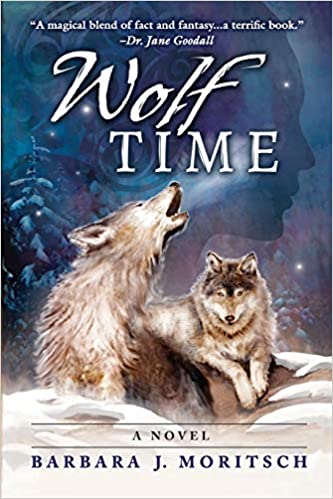
Wildlife biologist Sage McAllister is startled one snowy night by an odd scratching noise at her cabin door and is shocked to see two gray wolves sitting on the deck communicating with her. In Barbara J. Moritsch’s Wolf Time, an eco-friendly fantasy, Sage receives three precious gifts: a reunion with her own human pack, an astonishing glimpse of the connections existing among all species, and an unprecedented opportunity to help humans make peace with wolves.
Peter Riva, author of Kidnapped on Safari and President of International Transactions, Inc.
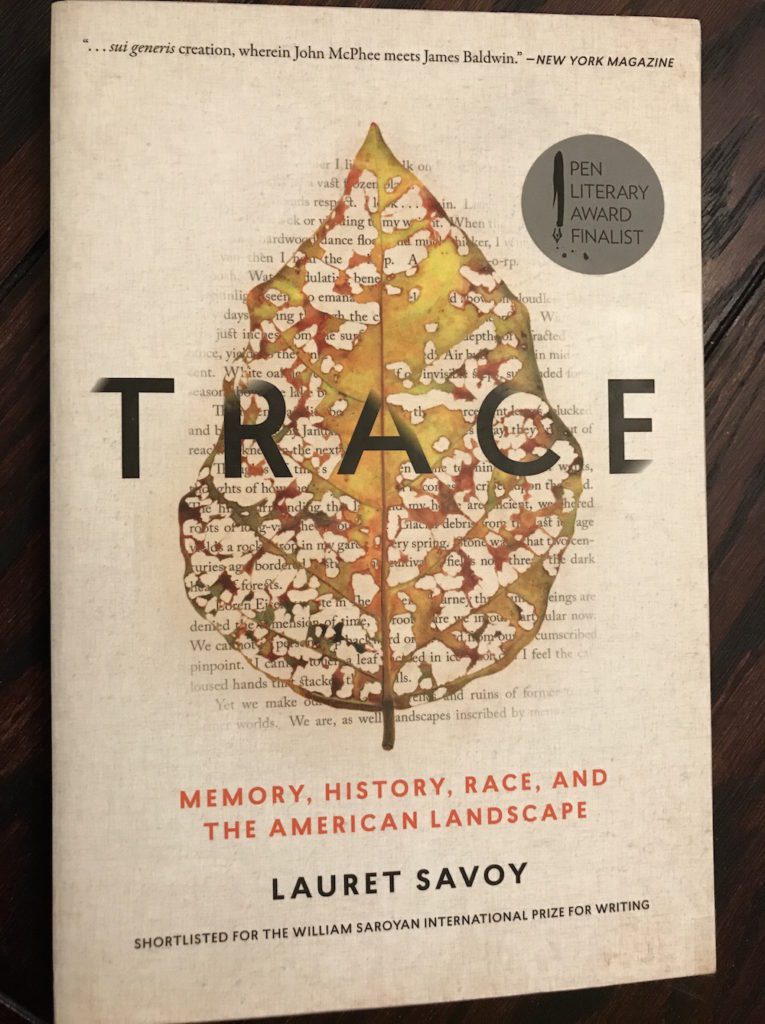
Trace: Memory, History, Race, and the American Landscape by Lauret Savoy is classified as “history/nature,” but it is also a memoir of Savoy’s trip across the country to fill in the unknowns of her family tree. Her journey starts in the West with her sharing childhood memories, including as a teenager having a door literally shut in her face when a potential employer saw she was Black. Savoy ends up out East at a former plantation, still manicured and open for tours, and an unkempt and nearly forgotten slave cemetery—and at a dusty archive where an estate inventory reveals her great-great-great grandmother, Eliza Savoy, had been valued at $300. Savoy’s prose undulates like the landscape of the Grand Canyon, where Trace begins, and the beauty of her lyricism makes the ugliness of history digestible.
Elaine Stachera Simon, New Mexico Press Women
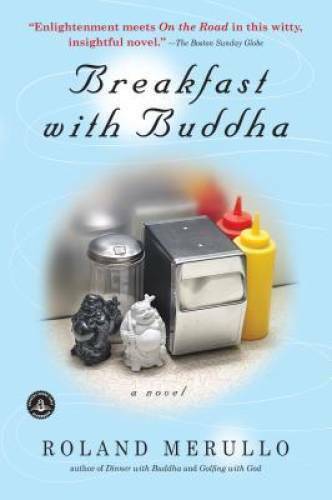
Breakfast with Buddha by Roland Merullo is a funny and intelligent road trip novel that reads like a memoir. Wonderful writing, hilarious at times, deep and wise. I also read the sequels: Lunch with Buddha and Dinner with Buddha. All were terrific, entertaining and not heavy-handed about the Buddhist over-tones.
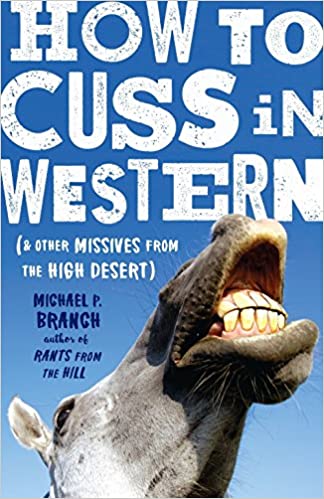
How to Cuss in Western by Michael P. Branch is a book of environmental personal essays about living in the high desert of Nevada. Humorous and poignant. A fun read that will also feed your brain.
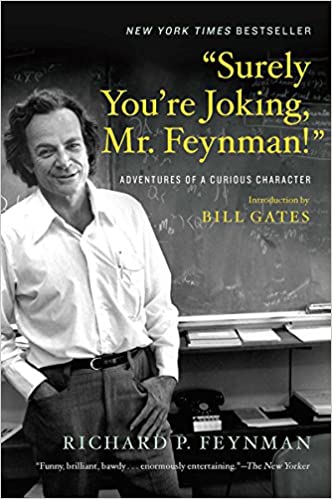
Surely You’re Joking, Mr. Feynman! by Richard P. Feynman is a brilliant and funny memoir about becoming a brilliant and funny physicist working at Los Alamos Labs. Really, you owe yourself this read if you haven’t read it; and to re-read it, if you haven’t read it recently.
Eve West Bessier, Poet Laureate of Silver City and Grant County

There is something very uplifting about Kris Neri’s engrossing novel Hopscotch Life. I couldn’t put it down, reading it in three days, absorbed in the unusual and compelling plot twists and provocative conflict. Hopscotch Life is an engaging read filled with emotionally charged high jinx to pathos, keeping one’s interest till the final page.
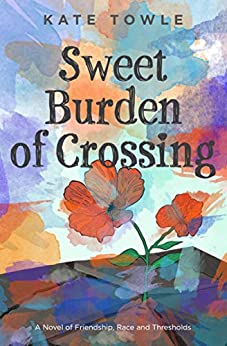
Experiences of life are forged through the profound bond between Chris and Rikki, two diverse characters in Kate Towle’s Sweet Burden of Crossing. At first awkward and uncomfortable, a casual acquaintance turns into a union of strength and deep friendship spanning decades as models of courage and honesty develop through transparency and understanding. As Ms. Towle delves into many societal questions concerning race relations in a remarkably timely narrative, one can glean valuable insights into how to break the cycle of fear and prejudice.
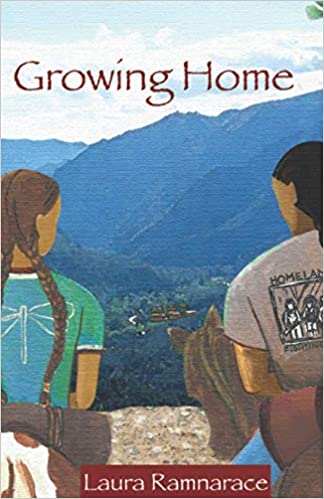
It’s been nine years since a devastating virus decimated the world, with climate change making most of the map uninhabitable. The second book in a trilogy, Growing Home by Laura Ramnarace continues Lakshmi’s life of survival in the Gila. So vivid in its depiction of apocalypse I had to put it down at times and take a breath. We would do well to learn the lessons Ms. Ramnarace’s eerily familiar book teaches.
Lynne Zotalis, author of Hippie at Heart: What I Used to Be, I Still Am